
Six Points Separating 6th From 20th Triggers Premier League Tier List
Eight weeks into the 2026-27 Premier League campaign, extreme tactical friction has locked 32 percent of all fixtures into draws. This rate puts the current season on pace to eclipse the all-time league record of 31.32 percent set in 1996-97. With a tight six-point gap separating sixth place from 20th place, over half the division remains suspended between European qualification contention and bottom-three danger.
Evaluating squad depth, underlying expected goal metrics, and dual-competition fatigue provides a clearer picture of the hierarchy shaping the top flight. An analytical breakdown categorizes all 20 Premier League clubs across eight distinct operational tiers, establishing clear boundaries between verified title contenders and clubs facing severe structural regression.

Arsenal
club1. Tier 1: Arsenal and Manchester City Set the Title Standard
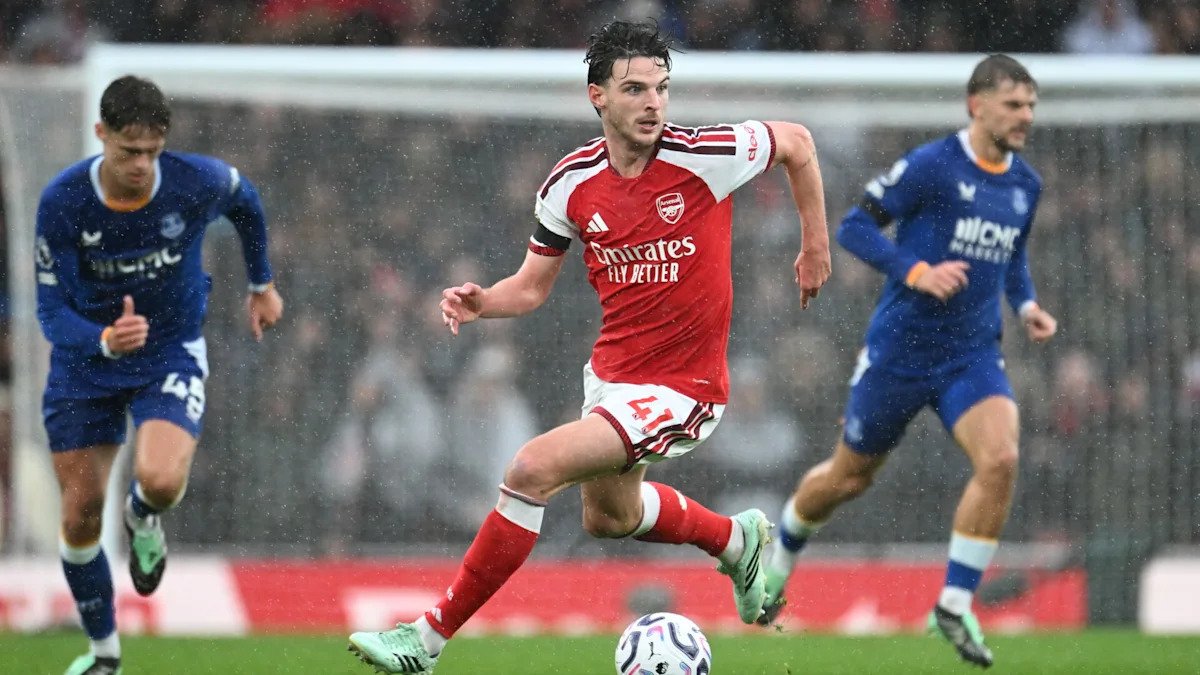
Arsenal and Manchester City stand as the only two sides possessing verified title-winning experience, established squad depth, and tactical stability. Arsenal enter as reigning champions, having sustained just one defeat through eight matches despite operating below their absolute fluency. Their bench options allow for aggressive tactical adjustments when protecting leads or chasing late goals.
Manchester City maintain their position at the top table under manager Enzo Maresca, who rejoined the coaching structure following three seasons away. Midfielder Enzo Fernandez provides immediate systemic familiarity alongside a veteran core accustomed to high-pressure title runs. Their squad rotation and tactical consistency set the benchmark for the division.

Manchester City
club2. Tier 2: Liverpool and Chelsea Push From the Outer Ring
Liverpool and Chelsea possess elite individual quality but face specific structural shifts that complicate a sustained title run in the immediate term. Liverpool continue their transition under manager Andoni Iraola, balancing domestic demands with Champions League schedules. The eventual return of forward Hugo Ekitike offers missing depth, though navigating European congestion tests their younger rotation players.
Chelsea benefit from a domestic-focused fixture list without Champions League obligations, though the departure of Enzo Fernandez to Manchester City required strategic adjustments. Veteran additions Jordan Henderson and Danny Welbeck have anchored the squad during key moments. Both clubs hold the tactical upside to crash the top tier prior to the festive fixture stretch.
3. Tier 3: Aston Villa, Everton, and Tottenham Navigate Roster Balancing Acts
Aston Villa lead this tier following summer squad additions that brought in Zion Suzuki, Johan Manzambi, Leon Goretzka, Nicolas Jackson, and Joao Gomes. However, repeating a deep Champions League run while managing defensive depth presents a continuous load-management challenge for the coaching staff.
Everton have relied on manager David Moyes to instil physical resilience, relying heavily on forward Thierno Barry for primary goal production. Tottenham Hotspur demonstrated their high potential in a victory over Chelsea, though questions remain regarding consistent central-forward finishing and squad depth options like Richarlison.
4. Tier 4: Brighton and Bournemouth Face Midweek European Strain
Brighton & Hove Albion and Bournemouth feature highly organized tactical setups that risk being diluted by mid-week European commitments. Brighton manager Marco Rose brings existing continental experience to a squad with deep positional coverage, helping absorb schedule congestion far better than less experienced outfits.
Bournemouth manager Fabian Hurzeler has relied on heavy minutes from key starters, already seeing four players log 10 or more starts this season. Forward Charalampos Kostoulas has carried the scoring burden up front, making sustained output from Promise David and Georginio Rutter essential to prevent a drop-off.
5. Tier 5: Brentford Stand Alone on High-Intensity Distance Metrics
Brentford occupy a unique single-club tier due to their elite physical output and defensive organization. Behind only Arsenal and Fulham in total ground covered per match, Thomas Frank’s side generates high turnover counts but must maintain that physical pace across a full 38-game calendar.
Striker Igor Thiago holds the key to converting physical dominance into points, particularly after Brentford missed out on European qualification late last season following three separate goalless draws against Bournemouth, Leeds, and Fulham.
6. Tier 6: Manchester United Stuck in Isolated Disarray
Manchester United occupy 16th place after eight matches, securing only a single victory despite a schedule featuring two promoted clubs and just one title contender in Manchester City. Interim tactical adjustments under Michael Carrick face an immediate test against Chelsea, Aston Villa, and Liverpool in upcoming league action.
The return of Benjamin Sesko and the integration of Matthijs de Ligt offer individual quality, while Bruno Fernandes and Lisandro Martinez continue to deliver high-level actions. However, relying on rapid development from young midfielders Carlos Baleba, Andrey Santos, and Kobbie Mainoo leaves the squad vulnerable against disciplined setups.
7. Tier 7: High Foundations Mask End-Product Deficits
Nottingham Forest, Newcastle United, Leeds United, and Fulham feature strong defensive cores that protect them from sustained losing streaks, yet each struggles with converting dangerous possession into actual goals. Nottingham Forest present the most extreme analytical anomaly in the division under Oliver Glasner, boasting the fourth-highest expected goals (xG) figure and second-lowest expected goals against (xGA) despite sitting near the bottom three and tracking nearly 10 goals behind their expected output.
Newcastle United suffer from an underperforming expected points haul while integrating Nico Gonzalez into a restructured midfield. Leeds United have recorded goalless draws against Crystal Palace and Sunderland due to limited direct attacking quality, whereas Fulham rely on veterans Bernd Leno, Calvin Bassey, Antonee Robinson, and Alex Iwobi to maintain a stable mid-table foundation.
8. Tier 8: Metric Shortfalls Place Five Clubs in Relegation Danger
Sunderland, Crystal Palace, Hull City, Ipswich Town, and Coventry City face severe underlying statistical challenges. Sunderland sit near the foot of the table under Regis Le Bris, balancing an unbeaten Europa League campaign with an exposed back line in front of goalkeeper Robin Roefs despite Nordi Mukiele’s arrival.
Crystal Palace continue to adjust to major center-back attrition following the departures of Maxence Lacroix and Marc Guehi, leaving midfielder Quinten Timber with an oversized defensive burden. Hull City’s points total relies heavily on underceding by six goals relative to their xGA, while Ipswich Town (-38 open play shot differential) and Frank Lampard’s Coventry City (-51 open play shot differential) sit deeply negative in underlying chance creation.