
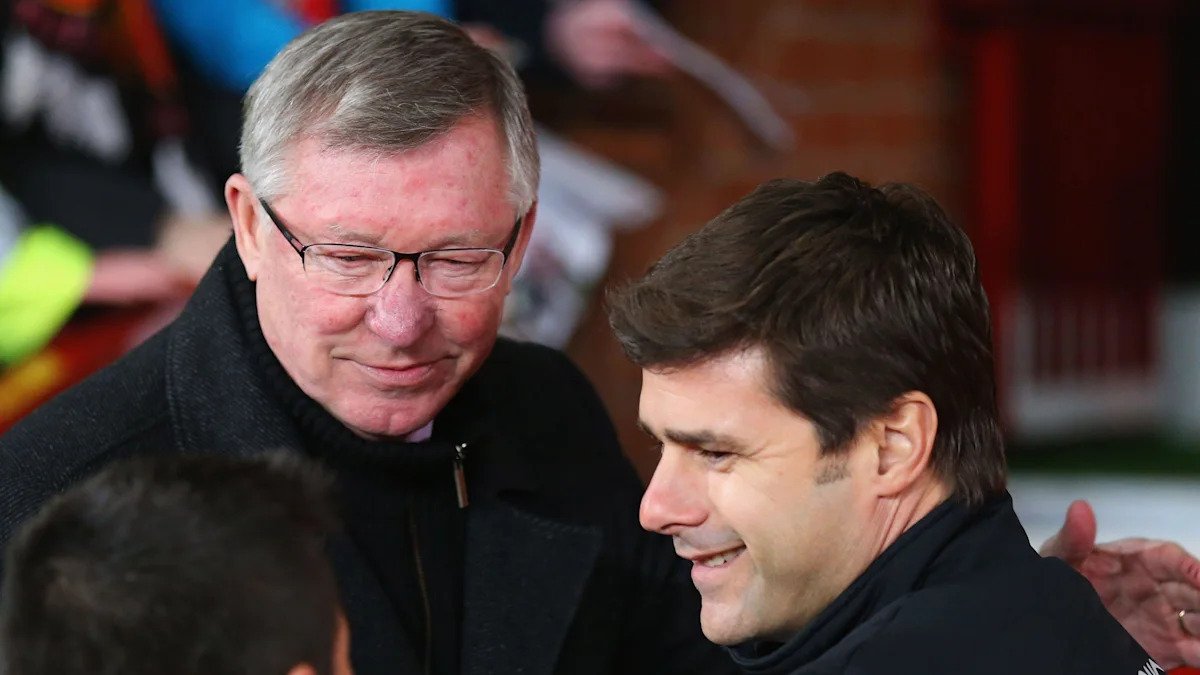
Inside Manchester United's New High-Pressing Shape Under Mauricio Pochettino
Mauricio Pochettino takes over at Manchester United to replace a transition-heavy approach with a structured, high-pressing setup. The former Tottenham and Chelsea manager brings a fluid tactical system focused on aggressive off-ball movement and controlled build-up play to resolve Old Trafford’s long-standing possession struggles.
Pochettino brings fluid midfield movement and vertical passing to Old Trafford
Pochettino’s tactical approach draws direct inspiration from Marcelo Bielsa, emphasizing high-intensity pressing and quick vertical passing. Unlike rigid positional frameworks, his system grants midfielders the freedom to roam into open spaces between opposition defensive zones, pulling defenders out of position and opening central passing lanes.

Manchester United
clubThis dynamic was showcased during the summer World Cup, where his team relied on tight passing combinations in central areas to draw out the opposition press before releasing quick runners through the middle. At Tottenham and Chelsea, he prioritized structural fitness and coordinated off-ball work to ensure his players could sustain high pressure without leaving gaps behind them.
The tactical shift targets a clear structural limitation that emerged during Michael Carrick’s tenure. While United excelled on the break when handing the ball over to opponents, their results fell off noticeably whenever tasked with breaking down low blocks with the majority of the ball.
| Possession Share | Win Rate | Defeats |
|---|---|---|
| Under 50% Possession (13 Matches) | 62% | 1 |
| Majority Possession | 36% | , |
“My philosophy is to give a freer style with a good organisation.”
Pochettino has consistently highlighted the balance between structure and individual freedom in his setup. During his time at Tottenham, he explained that the primary goal of his system was to establish a clear shape that allows attacking players to express their strengths naturally.
Tactical analysis and performance metrics provided by BBC Sport correspondent Umir Irfan.