(Credit - Live Web Search Context)
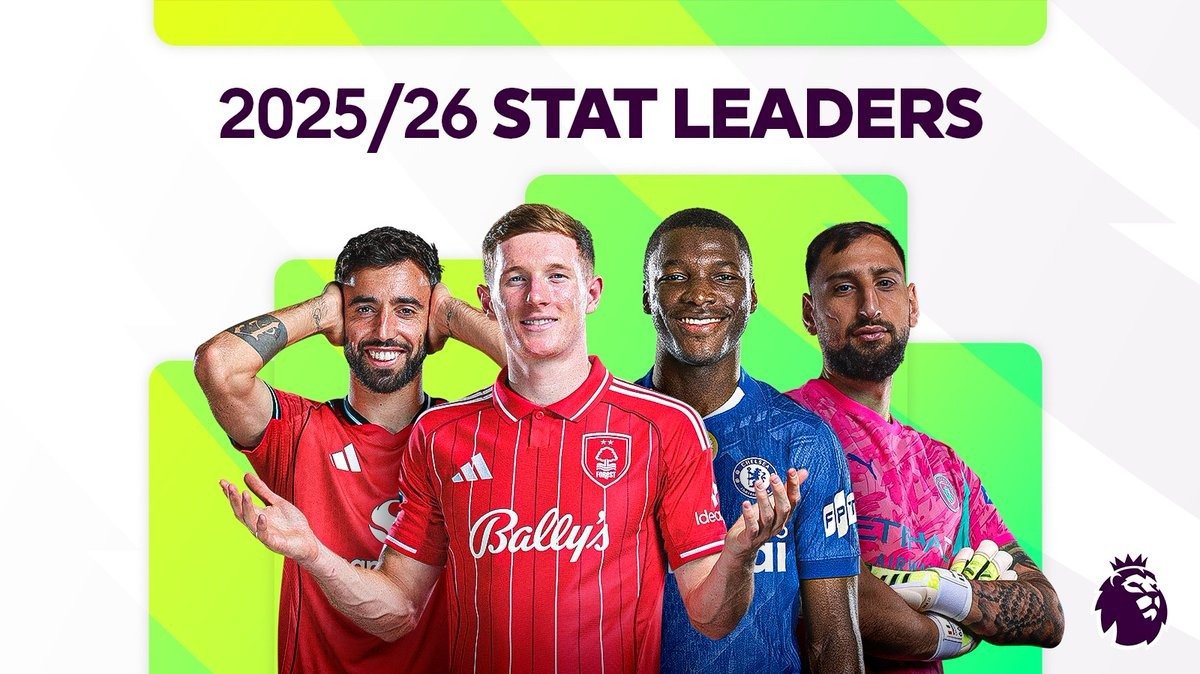
The 2025/26 stats leaders leaderboard has crystallized around one name above all others, with Luka Dončić sitting at the top of three separate performance categories: duels won, dribbles, and blocks. Published today, June 7, 2026, the full 10-category chart positions the Slovenian as the season’s most complete individual force by volume metrics, a finding that carries direct weight for award narratives, contract leverage discussions, and the sponsorship storytelling that global brands build around elite player profiles. James Harden and Jalen Brunson are identified as the closest challengers across the board, while Ja Morant and Darius Garland also feature prominently, signaling that the backcourt class of 2025/26 has delivered one of the most competitive statistical seasons in recent memory.
At a Glance: Season Leaderboard Snapshot
- Luka Dončić leads the 2025/26 season in duels won, dribbles completed, and blocks recorded across the full campaign.
- James Harden and Jalen Brunson are the nearest challengers in multiple categories, with Ja Morant and Darius Garland also placing inside the 10-category graphic.
- The leaderboard covers 10 distinct performance categories, though the official tracking methodology, including whether figures represent totals or per-game rates and the minimum minutes threshold applied, has not been publicly disclosed alongside the graphic.
- Category leaders in definition-sensitive metrics like duels won and dribbles can shift materially depending on which data provider’s rules govern contested versus uncontested actions.
2025/26 Stats Leaders: Volume Totals vs. Rate Metrics
Any serious reading of a leaderboard graphic requires understanding what the numbers actually represent. Leaderboards in professional basketball, much like those in football analytics, typically split into two distinct tiers: volume leaders who accumulate the highest raw totals across a full season, and rate leaders whose per-game or per-possession figures reflect efficiency regardless of games played or minutes logged. A player who has appeared in every game will almost always outpace an equally skilled peer who missed stretches through injury when total-action counts are used, which means the headline figure of Dončić leading duels won, dribbles, and blocks tells only part of the story without a stated minutes qualification threshold.
For Dončić specifically, his presence at the top of the dribbles category aligns with his well-documented ball-handling role as a primary initiator. Leading duels won alongside that metric suggests his physical engagement rate has remained high throughout 2025/26, not merely that he touches the ball frequently. The blocks category is the most context-dependent of the three. Block totals are heavily shaped by a team’s defensive scheme and the shot profile of opponents faced, meaning a player on a team that funnels drives toward the rim will naturally generate more block opportunities than one operating in a drop-coverage or zone-heavy system.
| Category | 2025/26 Leader | Notable Challengers | Metric Sensitivity |
|---|---|---|---|
| Duels Won | Luka Dončić | James Harden, Jalen Brunson | High (contested vs. uncontested definition varies by provider) |
| Dribbles | Luka Dončić | Ja Morant, Darius Garland | Moderate (volume-driven; minutes threshold applies) |
| Blocks | Luka Dončić | James Harden | High (influenced by team defensive scheme and opponent shot profile) |
| Additional Categories (x7) | Various | Harden, Brunson, Morant, Garland | Unspecified (totals vs. per-game rate not disclosed) |
Harden, Brunson, and the Backcourt Competition Across 10 Categories
James Harden’s presence among the closest challengers is consistent with his career-long ability to generate elite counting stats in multiple categories simultaneously. At this stage of his career, Harden’s statistical output is more selective than in his peak volume years, which makes his placement near the top of multiple 2025/26 categories a meaningful signal rather than a product of sheer usage. Jalen Brunson, meanwhile, has continued the trajectory that made him one of the league’s most discussed backcourt players over the past three seasons, with his 2025/26 stats placing him in direct conversation with players who carry significantly larger roster footprints.
Ja Morant and Darius Garland round out the featured names in the graphic, both appearing in categories where speed of execution and ball movement are rewarded. Morant’s inclusion in the dribbles conversation is expected given his style of play, but Garland’s presence reinforces how Cleveland’s offensive system has continued to generate elite individual production even as the team’s broader roster construction has evolved. Across all 10 categories, the spread of names suggests no single player outside Dončić has monopolized multiple charts, which itself reflects the depth of individual talent across the 2025/26 season.
The commercial consequence of these leaderboard positions extends well beyond fan engagement. Award voters, front-office analysts building contract cases, and sponsorship teams at global brands all use category leadership as a shorthand for player value. When a graphic places one player at the top of three separate charts, it generates a narrative that travels far beyond the original data point, which is precisely why the absence of disclosed methodology, specifically whether these are season totals, per-game averages, or rate-adjusted figures with a stated minutes floor, creates interpretive risk for anyone using the numbers in a formal context.
Advanced Stats Definitions: What the 10 Categories Actually Measure
The three categories where Dončić leads are among the most definition-sensitive in any tracking system. Duels won, as a metric, can be recorded differently depending on whether the provider counts only contested one-on-one situations or includes any physical challenge where possession is retained or recovered. Some tracking systems require a minimum level of defensive pressure to classify an action as a duel, while others apply a broader spatial definition. The gap between providers on this single metric can shift a player’s ranking by a meaningful margin.
Dribbles face a similar definitional challenge. A dribble in one system may require a minimum number of consecutive touches before the action is logged, while another may count each individual touch as a discrete event. For a player like Dončić, who regularly operates in isolation and pick-and-roll situations with extended possession sequences, the choice of definition has an outsized effect on his total relative to players who dribble less frequently but in shorter bursts. Blocks, by contrast, are the most straightforward of the three to count, but their distribution across a roster is heavily influenced by how a coaching staff deploys its defensive personnel and which opponents a team has faced most frequently during the season.
A complete and transparent 10-category graphic should state the data provider, specify whether each figure is a season total or a per-game rate, and identify the minimum minutes threshold used to qualify players for inclusion. Without those disclosures, the leaderboard functions as a compelling visual summary rather than a rigorous analytical tool. That distinction is worth keeping in mind as the 2025/26 season’s final statistical picture continues to take shape.
About the Author