2027 Election Fight: Infantino Fourth-Term Eligibility Facing CAS Challenge
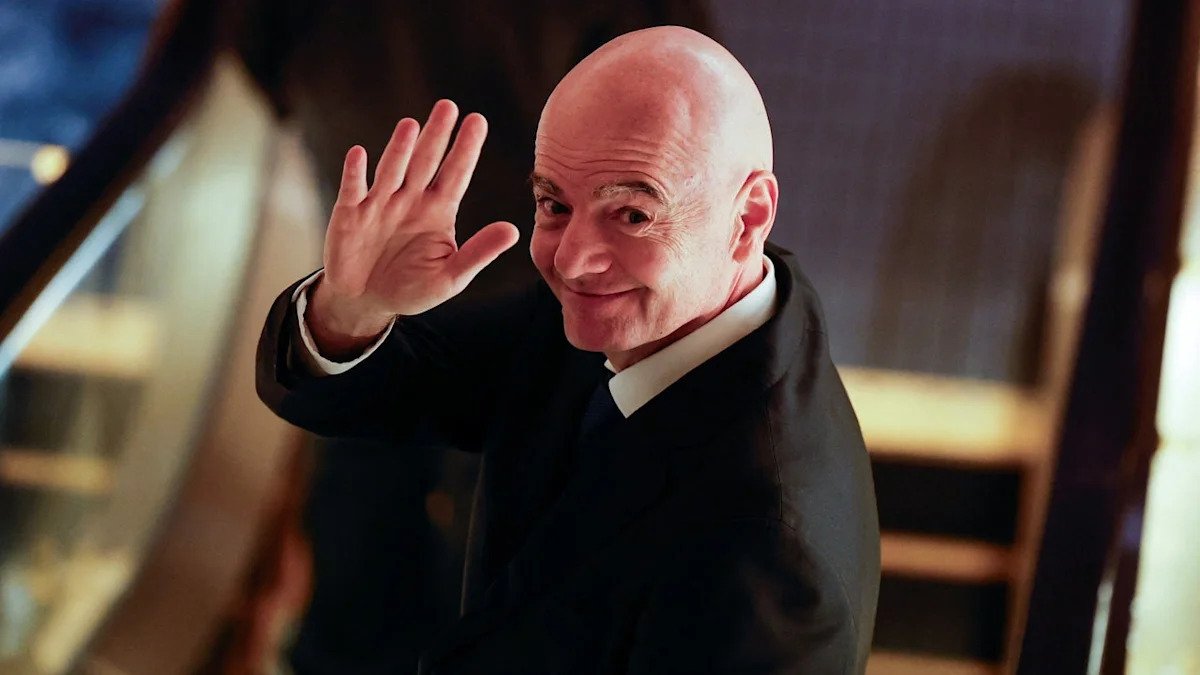
FIFA operates under statutory presidential tenure limits, but a 2022 FIFA Council ruling effectively exempted incumbent President Gianni Infantino from counting his initial 2016, 2019 partial tenure toward the three-term cap. Former FIFA Governance Committee chair Miguel Maduro, alongside advocacy group FairSquare, has submitted formal documentation to FIFA’s Governance, Audit and Compliance Committee asserting that Infantino’s candidacy for the 2027 presidential election violates codified term-limit regulations.
FIFA Term Limit Interpretation and Statutory Directives
The regulatory dispute centers on the legal interpretation of FIFA‘s statutory provisions limiting a president to three maximum four-year terms. Infantino assumed office in February 2016 following an extraordinary congress, completing the remainder of Sepp Blatter’s interrupted term through 2019 before securing re-election in 2019 and 2023. Prior to the 2022 FIFA World Cup, the FIFA Council formally determined that the initial three-year period did not constitute a full term under statutory thresholds, establishing eligibility for Infantino to remain in office through 2031.
Statutory challenges against this administrative exemption encounter structural barriers within FIFA’s institutional framework. Dissenting member associations risk administrative isolation and reduced institutional backing within FIFA’s governance structures when formally disputing council determinations. Consequently, national member associations have hesitated to launch formal eligibility challenges ahead of the 2027 elective congress.
European football authorities previously altered UEFA statutes in 2024 to permit President Aleksander Ceferin to seek additional terms beyond previous limits. However, the regulatory distinction remains significant: UEFA explicitly amended its written statutes, whereas FIFA relied on an internal council decision to reclassify historical administrative tenure without altering the statutory baseline text.
European Governance Council Demands Recusal Over Conflicts of Interest
Administrative review of presidential candidate eligibility falls under the FIFA Electoral Committee, currently chaired by Bruno Chiomento. European delegates serving on the FIFA Council have formally requested Chiomento’s recusal from eligibility oversight due to a documented 20-year personal connection with Infantino. Concerns regarding procedural independence extend to institutional oversight protocols and discretionary hospitality provisions granted to committee members during major international tournaments.
“If those that are supposed to do such control are subject to being removed by those that they are supposed to control, their independence is undermined.”
Should the FIFA Electoral Committee approve Infantino’s candidacy for the 2027 election cycle, challenging national member associations retain external administrative remedies. Formal legal appeals can be lodged through the Court of Arbitration for Sport (CAS) in Lausanne, with ultimate judicial review residing with the Swiss Federal Tribunal.
FIFA Presidential Tenure Breakdown and Statutory Status
| Tenure Period | Office Status | Statutory Term Assessment | Regulatory Authority |
|---|---|---|---|
| 2016, 2019 | Partial Term Completion | Discounted from 3-Term Cap | 2022 FIFA Council Ruling |
| 2019, 2023 | First Full Term | Counted (Term 1) | FIFA Statutes Art. 19 |
| 2023, 2027 | Second Full Term | Counted (Term 2) | FIFA Statutes Art. 19 |
| 2027, 2031 | Proposed Fourth Term | Challenged Eligibility (Term 3 vs 4) | Pending Electoral Committee / CAS |
The resolution of this eligibility dispute will directly determine the administrative leadership of international football through 2031. National member associations seeking to enforce strict statutory limits must initiate formal legal proceedings before the Electoral Committee officially confirms candidate rosters for the 2027 vote.