Attorney General Rejects Dismissal of Malagò FIGC Presidency Inquiry
The Italian Attorney General of Sport has formally rejected a procedural motion to dismiss an ineligibility challenge against Italian Football Federation (FIGC) President Giovanni Malagò concerning candidate qualification rules during his election on June 22, 2026.
The decision directly overrides a recommendation from FIGC Prosecutor Giuseppe Chinè, instructing sports justice authorities to execute deeper inquiries into whether Malagò satisfied mandatory federation affiliation requirements prior to assuming office.
Statutory Affiliation Requirements Under Italian Sports Justice Review
Governing statutes regulating FIGC presidential elections stipulate that candidates must hold formal federation membership at the time balloting takes place. While Malagò satisfied the criteria required to secure membership prior to the election on June 22, 2026, he did not hold an active credential when votes were cast.
FIGC Prosecutor Chinè moved to close the file on the grounds that eligibility prerequisites were satisfied, but the Attorney General of Sport ruled that technical compliance procedures must be fully evaluated, keeping the regulatory proceeding active.
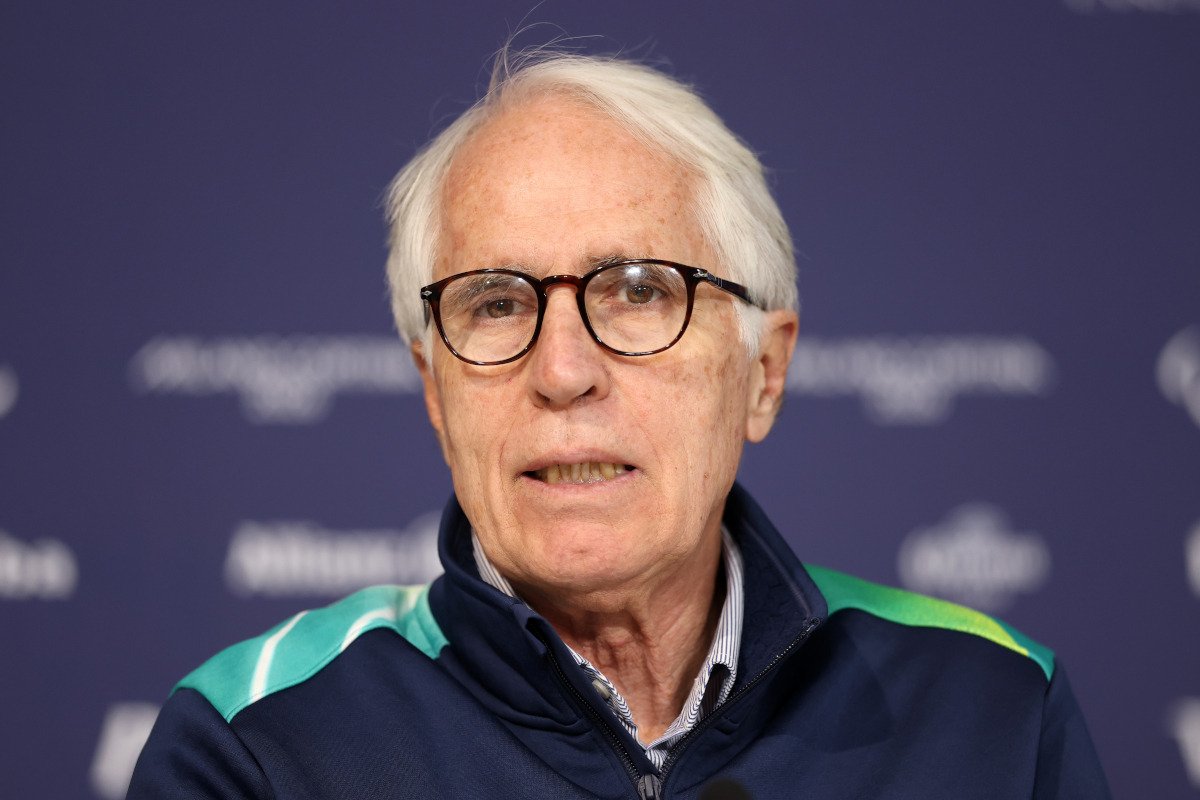
“It’s an issue that sports justice is addressing at every level. The rules are known, the sporting and state ones, beyond their interpretability. To each his role, mine is that of a respectful but interested observer of this situation.”
Executive Ratifications and Technical Staff Contracts Face Legal Nullification Risk
An adverse ruling declaring Malagò ineligible would undermine the legal foundation of his mandate, jeopardizing every administrative decision executed since his election. Statutory invalidation would expose major governance acts to immediate challenge or annulment, including high-level technical appointments such as Roberto Mancini’s contract as head coach of the national team.
National Olympic Committee (CONI) President Luciano Buonfiglio and Sports Minister Andrea Abodi confirmed institutional oversight of the ongoing tribunal review. Governance analysts note that Malagò’s standing as an individual International Olympic Committee member presents a complex legal backdrop, as international sporting status has historically created distinct precedents within national administrative frameworks.