Inside Hansi Flick's Barcelona Rotation Blueprint
Barcelona manager Hansi Flick uses a blend of physical performance data, medical team insights, and direct conversations with players to determine squad workloads. Reported by MARCA, this management framework balances individual player preferences with tactical needs while leaving final authority firmly with the coaching staff.
Inside the Collaborative Management Framework
The core of this system relies on listening to footballers who accumulate heavy minutes across a demanding season. Rather than applying a blanket rotation policy to the entire squad, the manager assesses individual physical circumstances and player preferences.

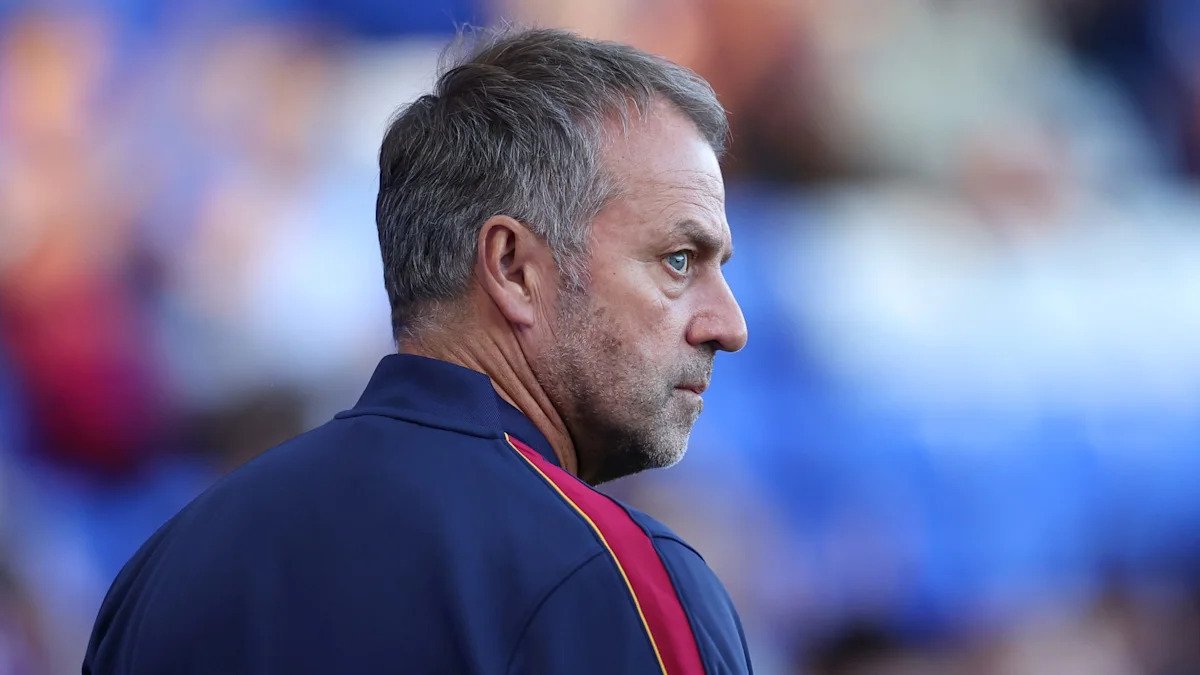
Hansi Flick
coachMedical staff analyze injury risks and physical metrics before any tactical changes are introduced. While players hold a voice in these discussions, the manager keeps ultimate control over the final starting lineup.
This flexible approach explains unusual tactical choices, such as deploying Frenkie de Jong as a right-back against Atletico Madrid or carefully managing Lamine Yamal’s minutes despite the winger’s desire to start every game. Flick also aligns playing time directly with players, pointing to ongoing talks regarding workload management and physical demands.
“I’ve been in contact with Rodri, and we’ve managed his playing time together. I asked him, since he’s experienced, and we agreed,” Hansi Flick explained regarding workload management.
Balancing Tactical Demands and Squad Health
This communication-first model changes how FC Barcelona prepares for upcoming opponents in La Liga and European fixtures. Decisions weigh personal motivation, dressing room morale, and statistical data rather than relying on numbers alone.
Players retain a direct line to the coaching staff to discuss fatigue and positional shifts. However, the German manager maintains full responsibility for risk mitigation and squad adaptation.
Reported by MARCA.