Defensive Solidity Key to FC Barcelona UCL Ambitions, Rodri Insists
Following two consecutive La Liga titles, FC Barcelona continue to calibrate their strategy for European competition. Midfielder Rodri addressed the squad’s standing and operational requirements during an interview published on September 14, 2026.
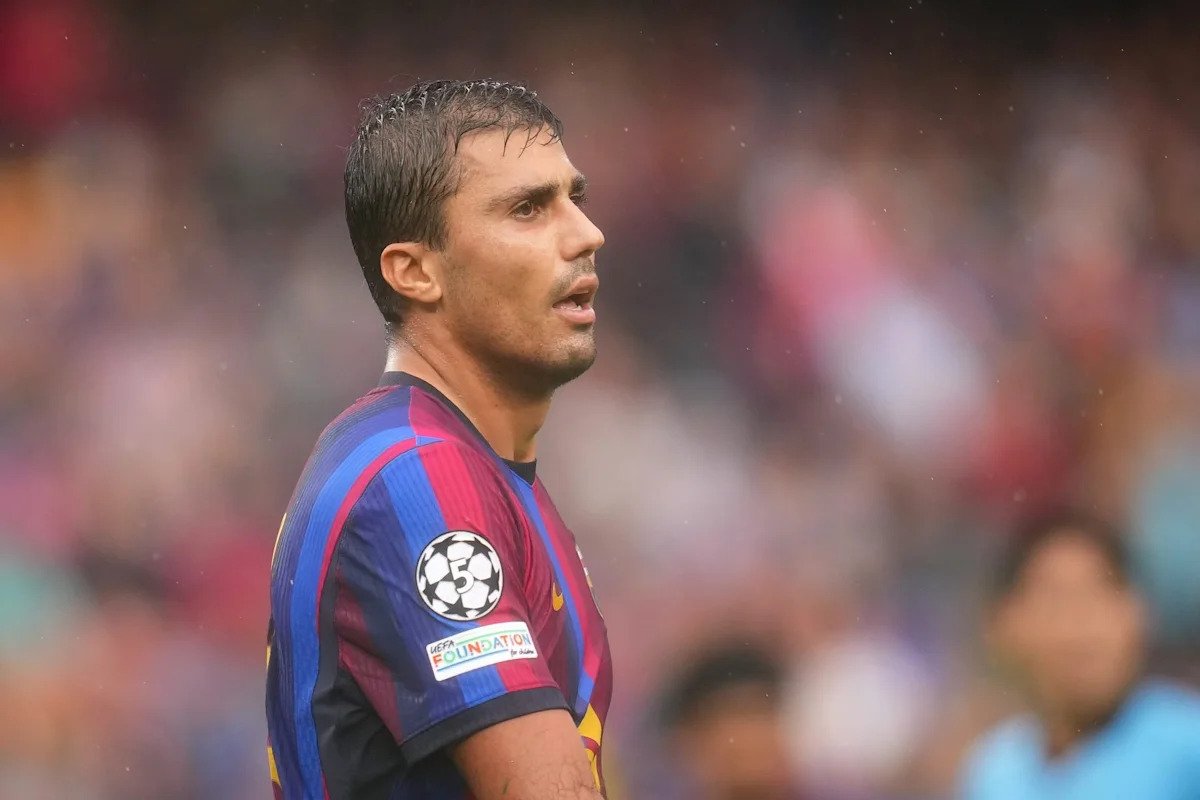
The 30-year-old Spain captain, who joined FC Barcelona from Manchester City in the summer, identified defensive discipline and emotional management in high-stakes ties as the primary factors required to translate domestic authority into UEFA Champions League success.

Rodri
playerRodri Rejects Favourites Tag While Stating Champions League Victory Is Achievable
When asked to assess FC Barcelona’s prospects in the UEFA Champions League, Rodri outlined a distinction between structural readiness and outright favouritism.
“The Champions League is achievable, but I don’t think we’re favourites. Obviously, I see it as a realistic title for us. It’s that final step we need to take to establish ourselves and show Europe what kind of team we are.”
The midfielder emphasized that knockout matches in European football turn on narrow margins rather than overall dominance over 90 minutes. Having previously won the trophy during his tenure at Manchester City, Rodri noted that navigating critical moments, specifically avoiding unforced errors, discipline issues, and defensive breakdowns, takes precedence over purely expansive attacking play.
Rodri Identifies Defensive Consistency as Essential for Knockout Progress
In response to questions regarding recent European eliminations where dismissals and concession spikes disrupted knockout ties, Rodri pinpointed the exact tactical adjustments required across two-legged fixtures.
“It’s about controlling those moments that make the difference in a tie, especially when the important knockout rounds arrive. Red cards, penalties, perhaps not conceding more than you should. All of those things determine whether you go through or go out. Perhaps it’s better not to be quite as good offensively but to be more consistent and more solid.”
The emphasis on lower variance and structural rigidity reflects a clear shift in match management priorities for the squad. Managing disciplined structural spacing and suppressing rapid transitions during high-pressure phases serves as the prerequisite for surviving the knockout rounds of Europe’s premier competition.
This interview was conducted by and published in Mundo Deportivo.