World Cup 2026 Sees Mass Exodus of Coaches
The World Cup 2026 has witnessed a significant turnover in national team head coaches, with 13 coaches leaving their jobs due to various reasons such as early elimination, heavy defeats, or contract expirations. This trend is not uncommon in international football, where the pressure to perform is high, and the consequences of failure can be severe.
World Cup 2026 Coaching Changes: The Core Mechanism and How It Works
The World Cup 2026 coaching changes are a result of a combination of factors, including the high stakes of the tournament, the intense media scrutiny, and the expectations of fans and federation boards. The tournament’s format, which features a group stage followed by a knockout stage, can be particularly unforgiving, with a single bad result potentially leading to elimination. This can lead to a rapid assessment of a coach’s performance and a swift decision to make a change if the results are not satisfactory.
The coaching changes in World Cup 2026 are also influenced by the contractual arrangements between the coaches and their respective federations. Many coaches have contracts that expire at the end of the tournament, which can lead to a natural transition. However, in some cases, the federations may choose to terminate the contract early, citing poor performance or a lack of confidence in the coach’s ability to lead the team to success.
Operational Outcomes: The Impact on Squad Selection and Federation Procedures
The coaching changes in World Cup 2026 have significant operational outcomes, affecting not only the teams but also the federations and the players. A change in coach can lead to a reset in squad selection, with the new coach potentially bringing in new players or changing the team’s formation and tactics. This can be both an opportunity and a challenge, as the team must adapt quickly to the new coach’s approach while also dealing with the pressure of performing well in the tournament.
The federations must also navigate the complexities of coach contracts, termination clauses, and the potential consequences of making a change. This can involve managing the expectations of fans, sponsors, and the media, while also ensuring that the team is well-prepared for the next tournament or qualifying cycle. The coaching changes in World Cup 2026 highlight the challenges and complexities of international football, where the stakes are high, and the margin for error is small.
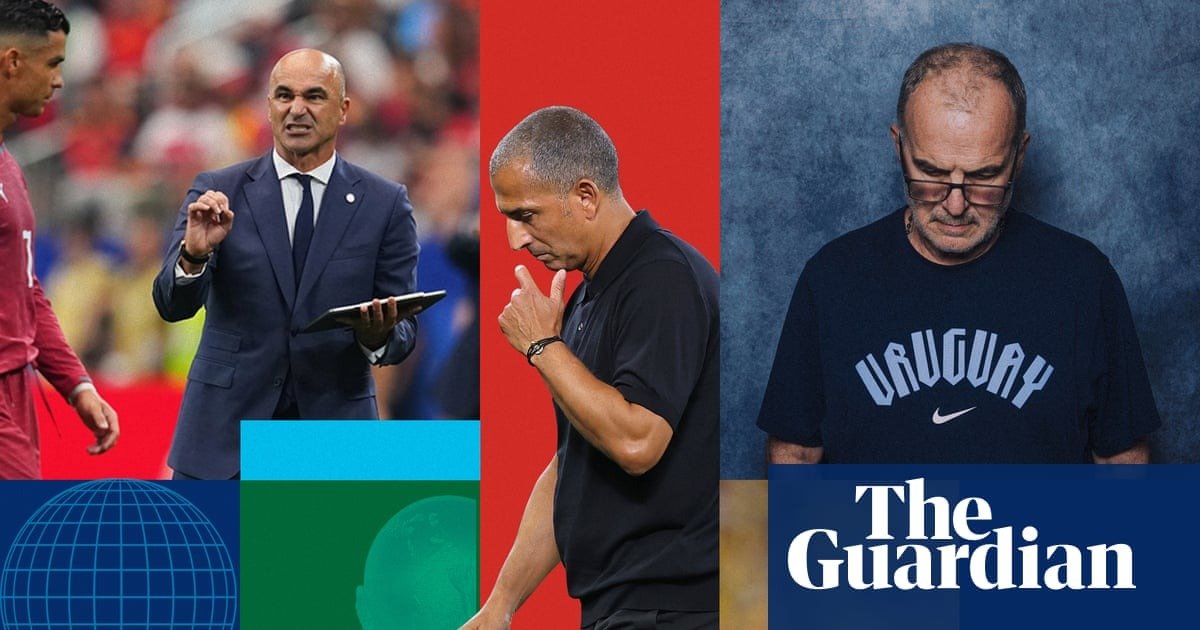
Some of the notable coaching exits in World Cup 2026 include Roberto Martinez (Portugal), Sabri Lamouchi (Tunisia), Marcelo Bielsa (Uruguay), Julian Nagelsmann (Germany), and Steve Clarke (Scotland). These changes reflect the intense pressure and scrutiny that coaches face in international football, where the consequences of failure can be severe and the rewards of success can be great.
Official compliance parameters and guidelines sourced via FIFA.