
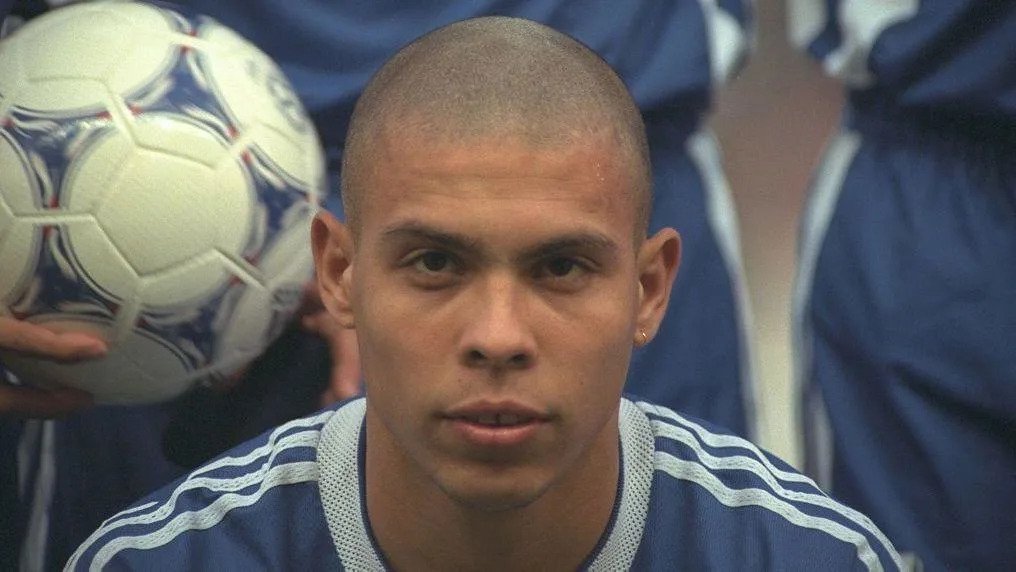
FIFA World XI matches ended as corporate risks ground exhibition era to a halt
High player financial valuations, congested match calendars, and corporate liability concerns have effectively ended the practice of staging high-profile FIFA World XI exhibition matches. Modern European clubs refuse to release elite players for non-competitive exhibition fixtures, bringing a permanent halt to showcases like the December 1997 Marseille clash and the 1987 Football League centenary match at Wembley.
Defensive shape and direct running define historical showcase fixtures
During the December 1997 match between Europe XI and the Rest of the World XI at the Stade Velodrome in Marseille, the match functional shape highlighted stark contrasts in attacking play and defensive setup. The Rest of the World attack relied heavily on raw speed and direct running with the ball, led by Ronaldo and Gabriel Batistuta. Ronaldo consistently dropped deep to pick up the ball before driving past defenders with rapid changes of pace, while Batistuta made direct runs through central channels to disrupt Europe’s back line.
Europe struggled to maintain a cohesive defensive shape when dealing with rapid transitions. Former Denmark international Soren Colding was tasked with operating on the left side of defense under manager Franz Beckenbauer, frequently forced into wide emergency tracking against elite forward runs. Rest of the World exploited space between Europe’s central defenders Fernando Hierro and Alessandro Costacurta, using quick combinations from deep midfield to bypass the pressing lines of Zinedine Zidane and Paul Ince.
| Fixture | Location | Winning Side | Scoreline |
|---|---|---|---|
| 1987 FA Centenary Match | Wembley Stadium, London | Football League XI | 3-0 |
| 1997 World Cup Draw Showcase | Stade Velodrome, Marseille | Rest of the World XI | 5-2 |
| 2005 Tsunami Relief Match | Camp Nou, Barcelona | Ronaldinho XI | 6-3 |
In the 1997 fixture, individual players represented each qualifying nation ahead of the official World Cup draw, participating without receiving individual appearance fees. That dynamic contrasts sharply with modern squad governance, where corporate ownership structures and wage liabilities prevent non-essential pitch time.
Now, to come up with the idea to make a game like this, in combination with the draw, I think everyone will say you are crazy. But at that time it was perfectly planned and a fantastic event to be a part of. As players, we have a tremendous relationship between each other.
The operational reality of managing world-class talent without standard club structural control was also reflected by key representatives involved in organizing individual appearances during the era.
It wouldn’t happen now because the business of football is so much bigger, you can’t risk the players, if they get injured playing for their country, that annoys everybody. But beyond that they are owned by big corporations and in some cases countries, so you just wouldn’t allow your player to go out and do that.
Analysis compiled via BBC Sport.