Alonso's Chelsea Era: A Tactical Shift to 3-4-3
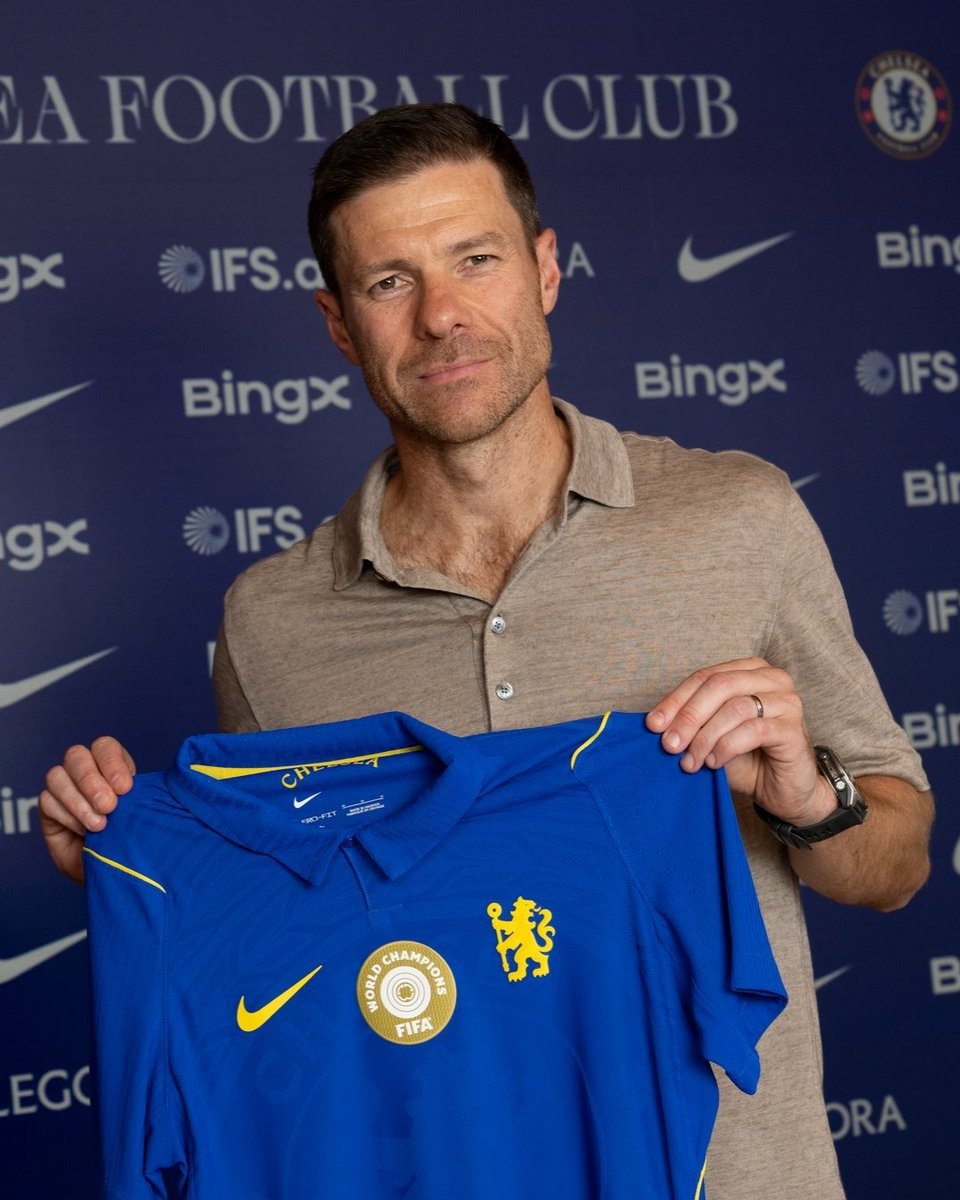
The core tactical question surrounding Xabi Alonso‘s appointment as Chelsea manager is how the team will adapt to his expected 3-4-3 system. This formation typically involves an extra centre-back in build-up, high wing-backs to create width, and two central midfielders controlling transitions. The spatial parameters of this system will likely lead to a different defensive shape, altered full-back and wing-back selection, and clearer roles for left-sided ball progression.
Xabi Alonso: Tactical System and Squad Implications
In a 3-4-3 system, a left-footed or left-comfortable centre-back, such as Levi Colwill, can become a primary distributor. Wing-backs must provide repeated high-intensity runs, and the front three often splits into two inside forwards plus a touchline threat. If Chelsea recruit or deploy a specialist wing-back and a press-resistant double-pivot, the system can accelerate chance creation but may also expose space behind advanced wing-backs if rest-defence spacing is poor.

Chelsea
clubThe system impact of Alonso’s 3-4-3 will be significant, with performance metrics such as progressive carries, xG performance, and zonal recoveries likely to be affected. While specific figures are not available, it is clear that the team’s defensive shape and midfield control will be crucial in determining the success of this system. The addition of players like Colwill, Jorrel Hato, and Palestra will also be important in shaping the team’s tactical identity.
Alonso’s July 1, 2026 start date gives Chelsea a full pre-season runway to install automatisms, such as press triggers, wide rotations, and back-three build patterns, ahead of the 2026/27 Premier League campaign. However, the projected XI remains provisional until confirmed by official squad decisions and transfer activity. The team’s ability to adapt to the new system and make the necessary adjustments will be crucial in determining their success in the upcoming season.
